Haircuts for a Receding Hairline: How to Choose a Cut That Works
November 14, 2026 · 9 min read · Denham Springs, LA
The best haircut for a receding hairline depends on where you still have density, how your hair grows and how much styling you want to do. A textured crop can work when the front still has enough coverage. A crew cut keeps some height without a long fringe. A buzz cut makes a changing hairline part of a deliberate, simple look. A soft taper can finish any of these without taking the sides to bare skin.
This guide helps you compare those choices, protect the hair you want to keep and explain your preferences in the chair. It is about haircut shape and styling—not diagnosing hair loss or promising regrowth. If you are planning your next cut at Blends Barbershop in Denham Springs, use the consultation checklist below as a starting point.
Start with your pattern, not a celebrity haircut
A receding hairline and thinning hair are not the same styling problem. You may have corners that sit farther back but a dense top. Or you may have a full-looking front with less coverage at the crown. Naturally fine strands can also look less dense without a recent change in the hairline. A photo that suits one pattern may not suit another.
Look at your hair dry, in ordinary daylight, with and without your usual product. Notice the front, temples and crown separately. The goal is not to measure your hairline at home; it is to identify what you want the haircut to do. Do you want less contrast, a softer front edge, more visible texture or almost no morning styling?
- Receding corners with a dense front: consider a short textured crop or crew cut before assuming you need to buzz everything.
- Reduced density across the top: compare shorter, simpler shapes that do not depend on long strands covering a wide area.
- Thinning at the crown: ask your barber to check the growth direction before removing length around the swirl.
- Dense sides and a lighter top: a controlled taper may help balance the silhouette without an aggressive high fade.
These are styling starting points, not a diagnosis. You can choose a cut that shows your natural hairline rather than hiding it. Both approaches are valid.
Five haircuts worth comparing
Grooming guides from StyleSeat and Men’s Health include crops, crew cuts and buzz cuts among the options for changing hairlines. The useful question is not which one tops a list, but which one works with your remaining density and daily routine.
| Cut | When to consider it | What to check first | Styling commitment |
|---|---|---|---|
| Textured crop | Enough front coverage for a short, forward shape | Whether a fringe stays together when dry | Light shaping with fingers |
| Crew cut | A short look with some height at the front | How much front length your density supports | Minimal to light |
| Buzz cut | A deliberate shape that does not rely on coverage | Comfort with visible scalp and natural hairline | Very little daily styling |
| Short side-swept cut | Enough density to follow a natural part | Whether the part exposes an area you dislike | Some daily direction and shaping |
| Short curls with a taper | Curls that retain useful shape at a shorter length | Dry curl shrinkage and gaps at the front | Depends on curl pattern |
1. Textured crop: a softer front without a heavy comb-over
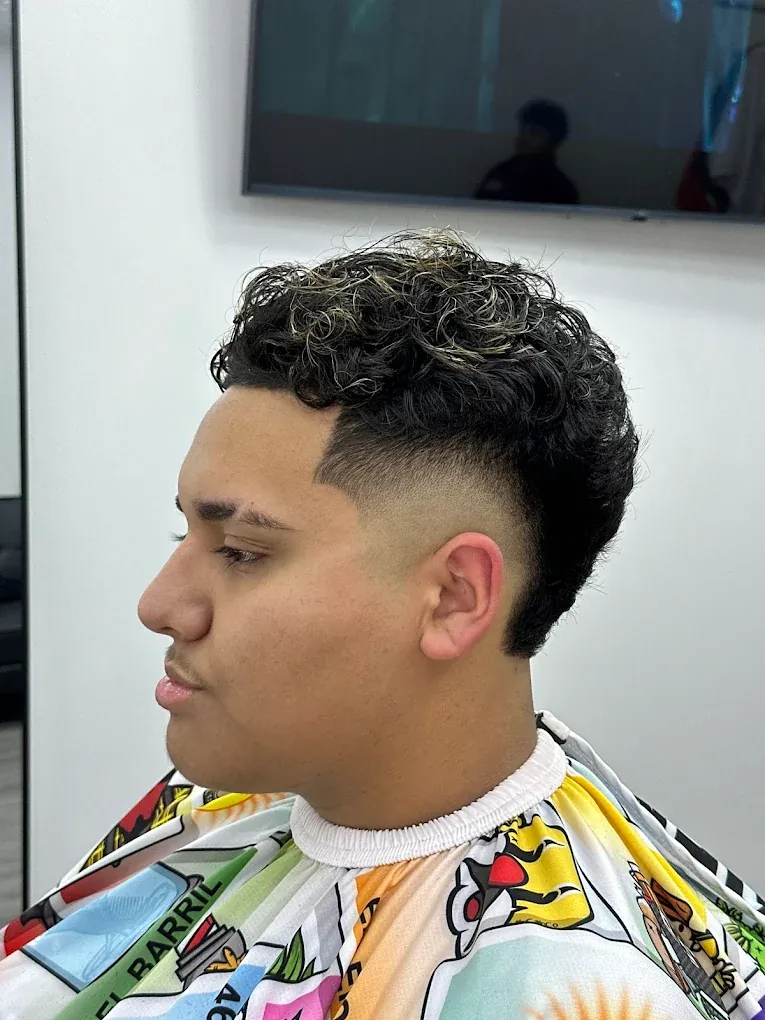
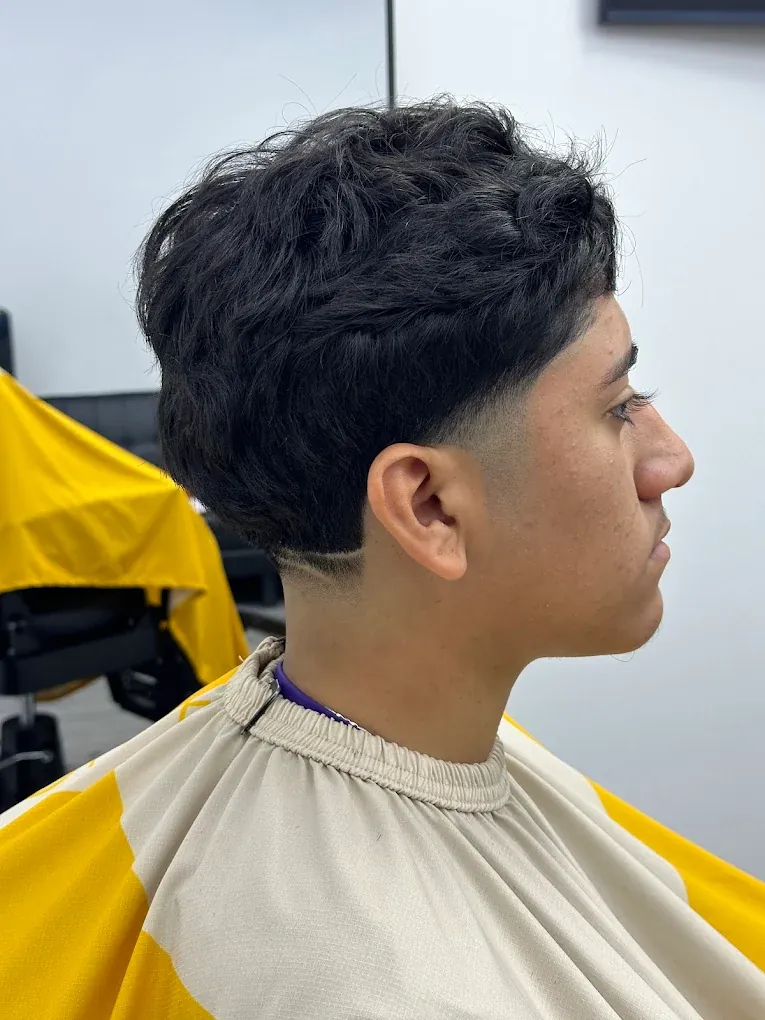
A crop keeps the top relatively short and directs some of it forward. With enough density at the front, a light, irregular fringe can soften the outline around the temples. It should look like a haircut, not a sheet of hair pulled across an empty area.
The trade-off is coverage. If the front is very sparse, a long fringe can separate into strands and expose more scalp. Ask to evaluate the crop dry before committing to a long bang. Also be clear that “texture” should not mean indiscriminately thinning the top: removing too much bulk can reduce the coverage you were trying to preserve.
2. Crew cut: short, structured and easy to change gradually
A crew cut leaves more length toward the front and generally shortens toward the crown. It can work when you want a compact shape but are not ready for an all-over buzz. The front does not have to stand tall; a modest amount of lift may be easier to maintain than a large quiff.
Ask for a conservative first pass if you are uncertain. You can shorten the front after seeing the silhouette, but you cannot put removed length back during the same appointment. The difference between scissor shaping and clipper length is explained in our scissor cut vs. clipper cut guide.
3. Buzz cut: showing the hairline on purpose
A buzz cut removes the need to arrange longer hair over thinner areas. It does not hide recession or guarantee an even-looking scalp. Instead, it gives you a consistent, intentional short shape with very little daily styling.
You do not have to start with the shortest setting. Ask to begin longer and step down after checking how it looks. Guard labels alone are not enough to describe the finished haircut: agree on top length, side length and whether there will be a taper. Our clipper guard guide explains that vocabulary.
4. Short side-swept cut: follow the growth, not a forced disguise
A short side sweep can suit hair that has enough density to follow a natural part. Keep the direction relaxed rather than pulling long hair tightly across a sparse patch. A hard shaved part is optional, and it can draw attention to exposed scalp that a softer part would leave less defined.
If your current side part only looks right with a lot of product, ask whether the top is too long for its density. A shorter version may be more reliable than adding stronger hold.
5. Short curls with a taper: preserve useful texture
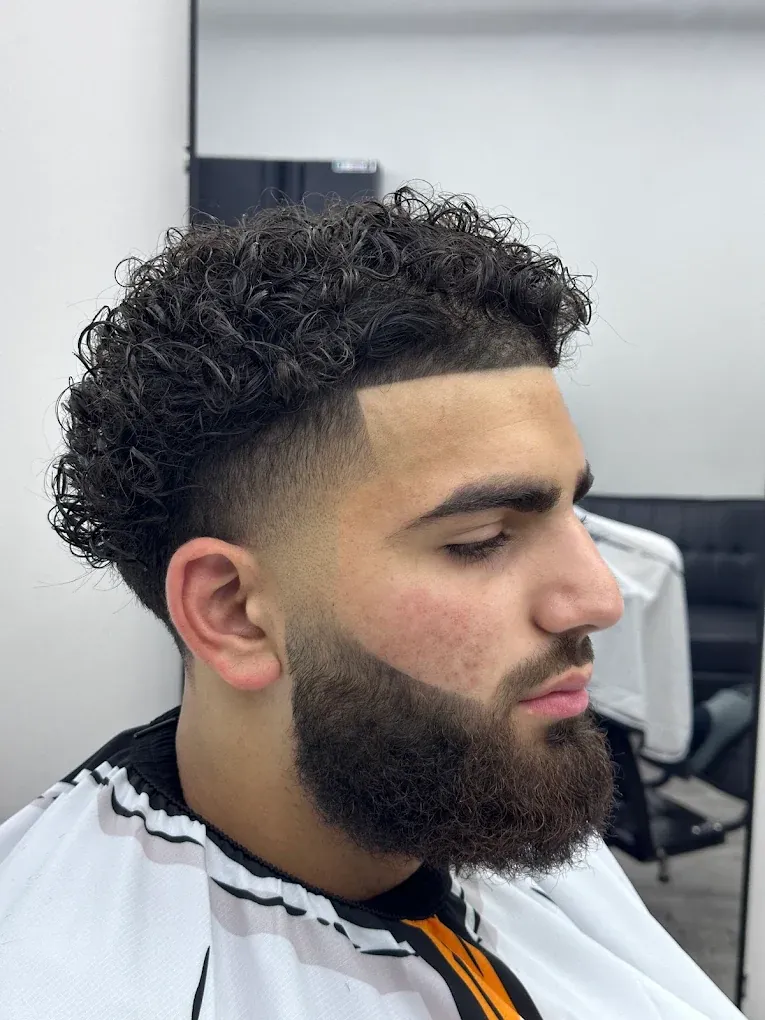
Curls can create shape without a tall, rigid style, but the front needs to be checked in its natural dry state. Cutting a curl while stretched can leave it shorter than expected once it springs back. Explain whether you wear your curls forward, loose or pushed away from your face.
A controlled taper around the ears and neckline can keep the perimeter neat while leaving options on top. See our curly hair fade guide for a fuller discussion of curl length and fade placement.
Does a fade help a receding hairline?
A fade changes the sides and back; it does not restore the front hairline. It may reduce the visual weight of dense sides, but a very high, tight fade can also make the remaining top and temples more prominent. More contrast is not automatically more flattering.
Compare a soft taper fade with a lower skin fade before choosing a high fade from a reference photo. State separately how high you want the transition and how short you want the bottom. “Low” describes placement, while “skin” describes the shortest finish.
The lineup matters too. If preserving your natural front edge is important, say so before the clippers touch it. A very straight line can require removing hair at the corners or pushing the edge back. Ask for a conservative cleanup of stray hairs rather than an artificial front shape. Our lineup page covers edge work, while skin fade vs. taper fade explains the broader distinction.
Exactly what to ask your barber
Bring one or two realistic reference photos and explain what you like about them: front length, soft sides, visible texture or simplicity. A photograph of much denser hair is still useful for discussing shape, but it is not a promise of the same coverage.
“I want a short cut that works with my natural hairline. Keep the front edge conservative, avoid removing extra density on top, and show me how a crop or crew cut would look with a soft taper. I want it to work with a small amount of product.”
Change that script to match your preference. If you would rather show the hairline, ask for a longer buzz first. If the crown is your concern, point it out specifically. Mention cowlicks, areas that stick up, the products you use and how much time you actually spend getting ready.
- Agree on what stays longer before discussing what gets shorter.
- Ask how the haircut will look without a fully styled finish.
- Decide whether the front edge stays natural.
- Check the front, sides and crown in the mirror before the appointment ends.
- Ask for a maintenance recommendation based on the finished length.
Keep the styling simple and realistic
Start with a small amount of product and add only if needed. A heavy, shiny finish can group fine strands together and make the scalp more noticeable; a light matte finish may suit a softer, separated shape. Neither product finish creates new hair, and adding more product is not always the solution to a shape that is too long.
Use your fingers or a gentle brush to follow the direction agreed on in the chair. If you blow-dry, use a comfortable temperature and stop when the shape is set rather than repeatedly brushing the front into a tall style. Try the routine once without product so you know what the haircut itself contributes.
Daily styling effort and appointment frequency are different things. A buzz cut needs little styling but may need frequent tidying if you want a consistently short finish. A softer taper may tolerate more growth. Our haircut schedule guide and between-visit care guide help you plan the upkeep.
What a barber can help with—and when to see a dermatologist
A barber can help with shape, length, visible contrast and styling. A haircut cannot determine why your hair is changing or treat the cause. If loss is sudden, patchy, accompanied by scalp discomfort or simply worrying you, arrange an assessment with a qualified clinician rather than relying on a haircut consultation.
The American Academy of Dermatology explains that diagnosis begins with finding the cause of hair loss. A board-certified dermatologist can evaluate that and discuss whether treatment is appropriate. This article does not recommend medications, supplements or regrowth products.
Questions about haircuts for a receding hairline
What is the best haircut for a receding hairline?
There is no single best cut. A crop is worth considering when the front retains coverage, a crew cut when you want short structure, and a buzz when you prefer a deliberate low-styling look. Your dry hair, growth direction and routine should decide—not just a style name.
Should I grow my hair longer to cover the temples?
Not automatically. More length can help when there is enough density to support the shape, but it can also create a separating fringe or a forced comb-over. Ask to compare a shorter shape before committing to more length.
Is a skin fade bad for thinning hair?
It is a styling choice, not a treatment. Some people like the contrast; others prefer the balance of a softer taper. Consider the height of the fade and the amount of top coverage together.
Can I keep a beard with a short haircut?
Yes. A beard can be shaped to suit a short haircut without changing the hairline itself. If you want the sideburn transition and beard edges addressed at the same visit, select the appropriate beard trim option when booking.
Will cutting my hair shorter make it grow back thicker?
No haircut should be presented as a regrowth treatment. Shorter lengths can change the appearance and make a style easier to manage, but appearance is different from treating hair loss. Discuss concerns about growth with a dermatologist.
Plan your next haircut at Blends in Denham Springs
Blends Barbershop is at 2570 Florida Blvd Ste B, Denham Springs, LA 70726. If you are coming from Walker or Central, check the available appointments before making the trip. Bring your usual hairstyle and a realistic reference so you can discuss what to preserve, what to shorten and how much styling you want.
Book your haircut through Squire and choose your barber, service and available time. Current prices are shown in booking; if you are unsure which service to select, call (225) 456-8266.