Curly Hair Fades: How to Choose a Taper, Low Fade or Skin Fade
September 28, 2026 · 6 min read · Denham Springs, LA
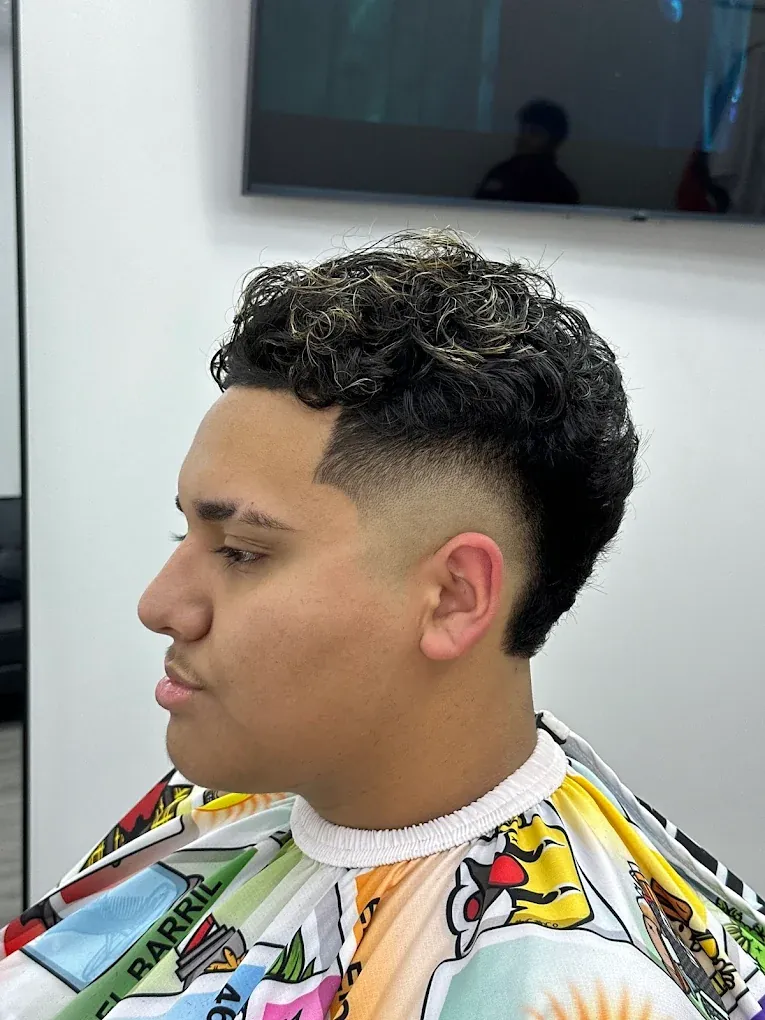
A fade can make curls look more defined without changing what makes them yours. The key is not simply asking for “a fade.” It is deciding how much contrast you want at the sides, where the blend should begin and how much length you need on top for the curl to show. At Blends Barbershop in Denham Springs, those details matter more than any trend name.
First, know what your curls do when they dry
Curly hair often looks longer when damp and shorter when dry. A cut that appears to leave plenty of length in the chair can feel much shorter once the curls spring back. Tell your barber whether you wear your hair air-dried, diffused or brushed out; if you have a photo, bring one of your hair in its usual state. Ask to preserve enough length for your curl pattern to form before taking more off the top.
Density matters too. Two people with similar curls may need different shapes if one has thick, dense sides and the other has finer hair. A good consultation covers both the silhouette you want and how your hair actually grows.
Curly taper versus low fade: what changes?
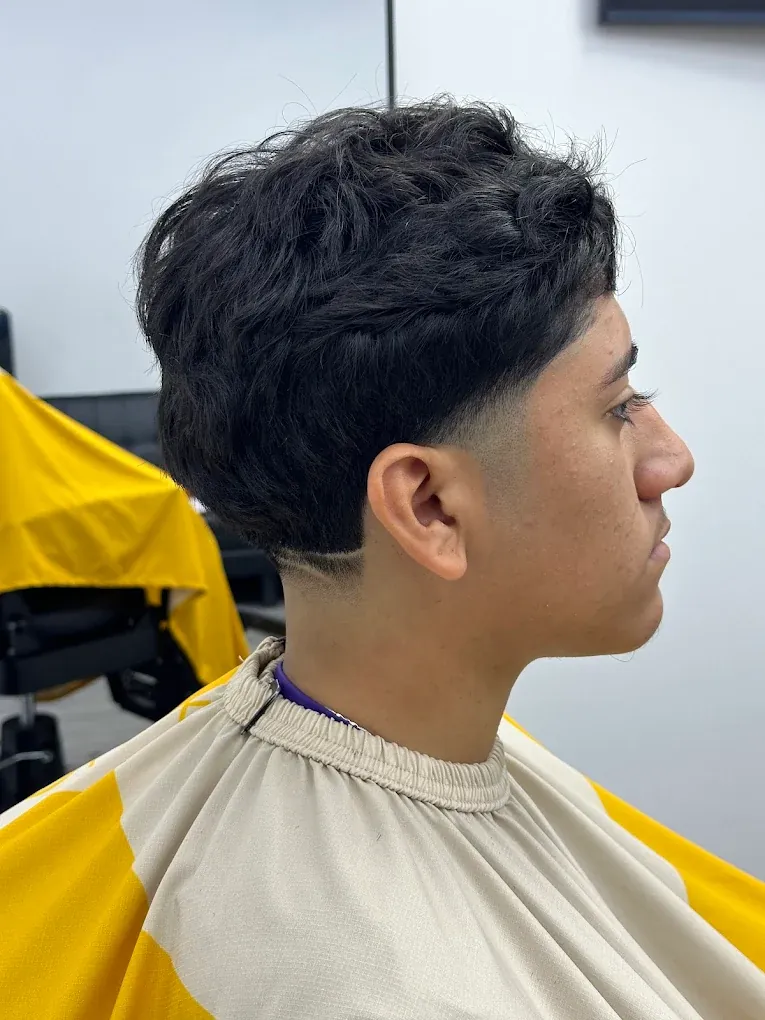
A taper fade keeps the change in length concentrated around the temples and neckline. More hair remains at the sides, so the overall shape stays fuller. It can be a good choice if you want a subtle outline, prefer a softer grow-out or are trying a fade for the first time.
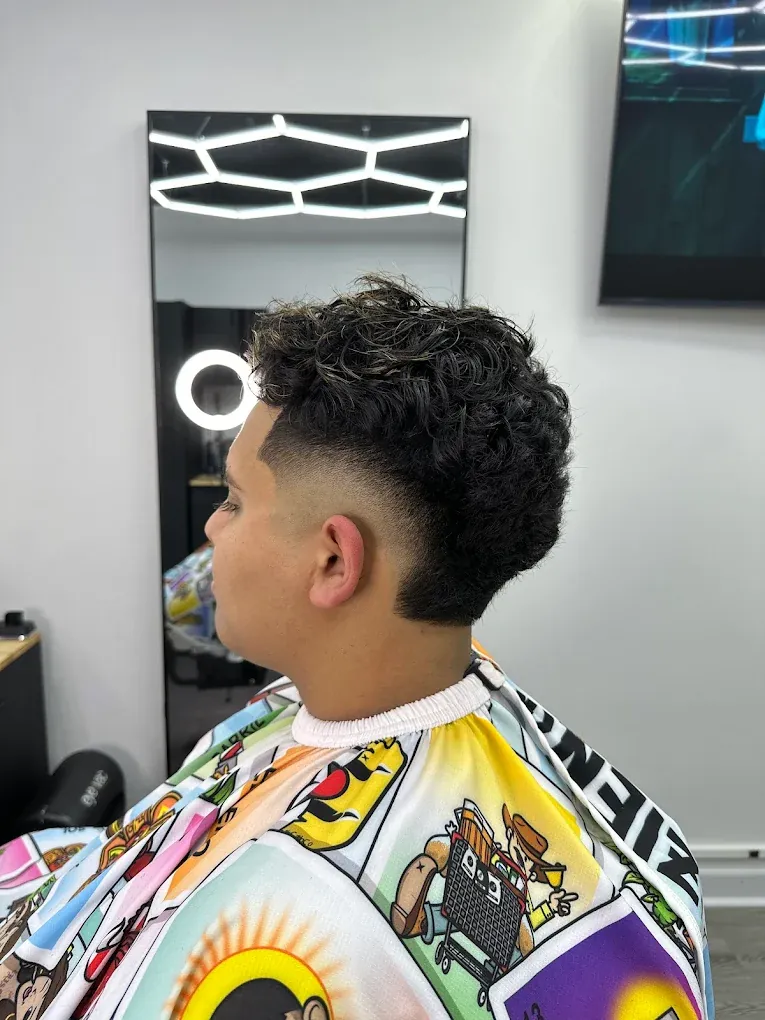
A low fade starts the blend just above the ears and follows the lower part of the head. It clears more bulk than a taper while keeping the curls on top as the focus. If the sides of your hair puff out before the top loses its shape, a low fade can tidy the perimeter without taking away the volume you like.
Neither term tells your barber how short the bottom should go. You can have a low fade that ends in short stubble or a skin fade that reaches bare skin. Say both the height and the shortest length you want. For a fuller explanation of the difference between those finishes, read our skin fade versus taper fade guide.
When does a mid or high fade make sense?
A mid fade starts higher on the sides and creates more visible separation between the top and the lower half of the head. It works when you like strong contrast or need to remove significant width at the sides. A high fade removes even more side volume, so the curls above it stand out sharply. The higher the blend, the more the head shape and top silhouette become part of the look.
“Low,” “mid” and “high” are descriptions, not precise measurements. A photo helps, but point to where you want the fade to begin on your own head. Your barber can adjust the reference to suit your hairline, density and growth pattern.
How much length should you leave on top?
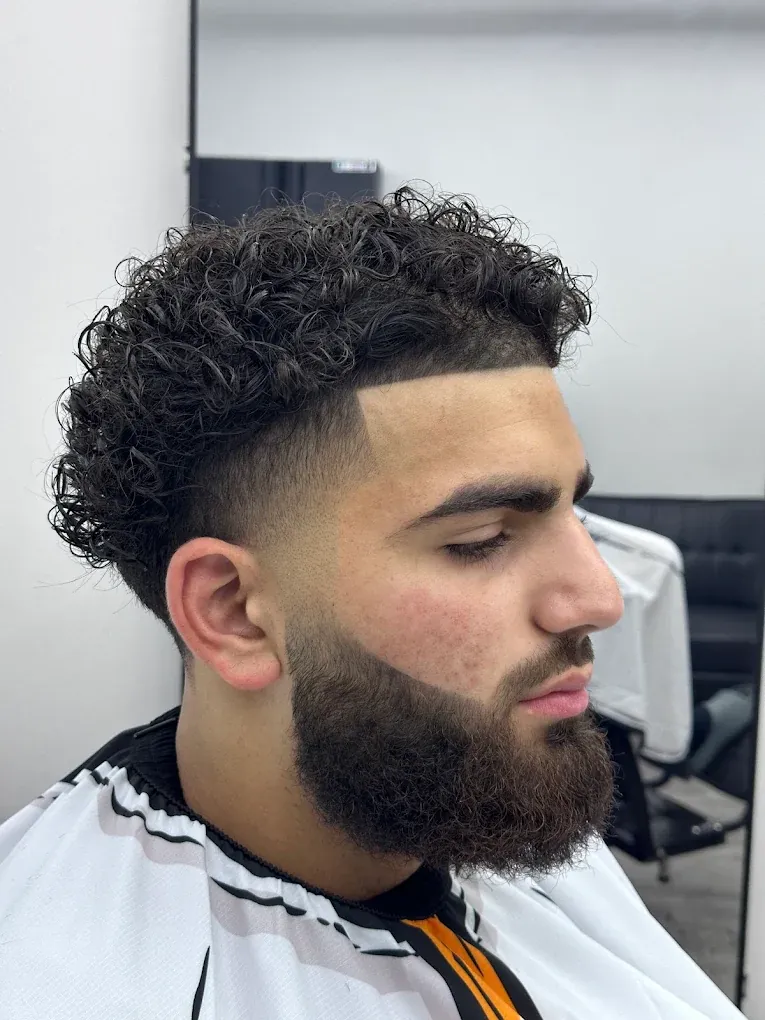
That depends on your curl pattern and your morning routine. If you want distinct curls, leave enough length for them to coil; cutting too short can turn the top into a uniform brush-like texture. If you want a compact, easy-to-style cut, ask your barber to remove bulk gradually and check the shape as it dries. Longer curls may need internal weight removed so the sides do not flare out, but removing too much can leave gaps or an uneven outline.
Try saying: “Keep the curls visible on top, clean up the sides with a low taper and don't take the bottom to skin.” Or: “I want a mid skin fade with defined curls on top; let me see the top length before you shorten it further.” Specific requests make the result easier to agree on.
What about a lineup with curly hair?
A crisp front edge can frame curls, but it should still respect your natural hairline. Talk about whether you want a sharp lineup or a softer, natural edge. If the front curls fall forward, ask your barber to check how they sit after the edge work rather than judging the hairline with the hair pulled back.
Care between appointments
- Let the curl do the work. Apply a modest amount of product to damp hair and let it dry in the shape you want. Heavy product can make fine curls look flat.
- Choose hold for your hair, not the label. A light leave-in or curl cream may help definition; stronger hold may suit a style that loses shape quickly. Try a small amount first and adjust.
- Avoid judging the fade only when wet. Check how the top and sides balance once dry before deciding that it needs more cut off.
- Plan for grow-out. Short blends show regrowth sooner than a softer taper. Your preferred sharpness, not a fixed rule, should determine your next appointment.
For more between-visit advice, see how to keep your haircut looking fresh.
Questions to ask before your curly fade
Can I get a fade without cutting off my curls?
Yes. The fade changes the sides and back; you can ask to keep the top length. Agree on exactly where the blend meets the curls so the transition does not climb higher than you wanted.
Should I ask for a taper or a low fade?
Choose a taper if you want more fullness at the sides and a softer outline. Choose a low fade if you want a clearer, more continuous blend around the head. Show your barber where you want the transition and how much contrast feels right.
Will a skin fade make my curls look better?
It makes the contrast stronger, not necessarily the curls themselves better. If you dislike seeing exposed scalp or prefer a softer grow-out, ask for a short but not skin-tight finish.
Blends Barbershop is at 2570 Florida Blvd Ste B in Denham Springs, Louisiana. If you are coming from Walker or Central, bring a reference photo and tell us how you normally wear your curls. Explore taper fades or book a visit to talk through the cut with a barber.