Skin Fade vs. Taper Fade: Differences, Styles and Upkeep
August 14, 2026 · 9 min read · Denham Springs, LA
“Give me a fade” is the most common thing said in our chairs and the least useful. A fade is not one haircut — it is a family of haircuts defined by how low the hair goes, how high the blend travels, and where the transition starts. The two poles of that family are the skin fade and the taper fade. Learn the difference and you stop hoping for a good haircut and start ordering one.
This guide is what the barbers at Blends Barbershop in Denham Springs, Louisiana explain daily: what each cut actually is, which one suits your hair and head shape, how often each needs maintenance, and the exact words to use so you walk out with the cut in your head.
What a fade actually is
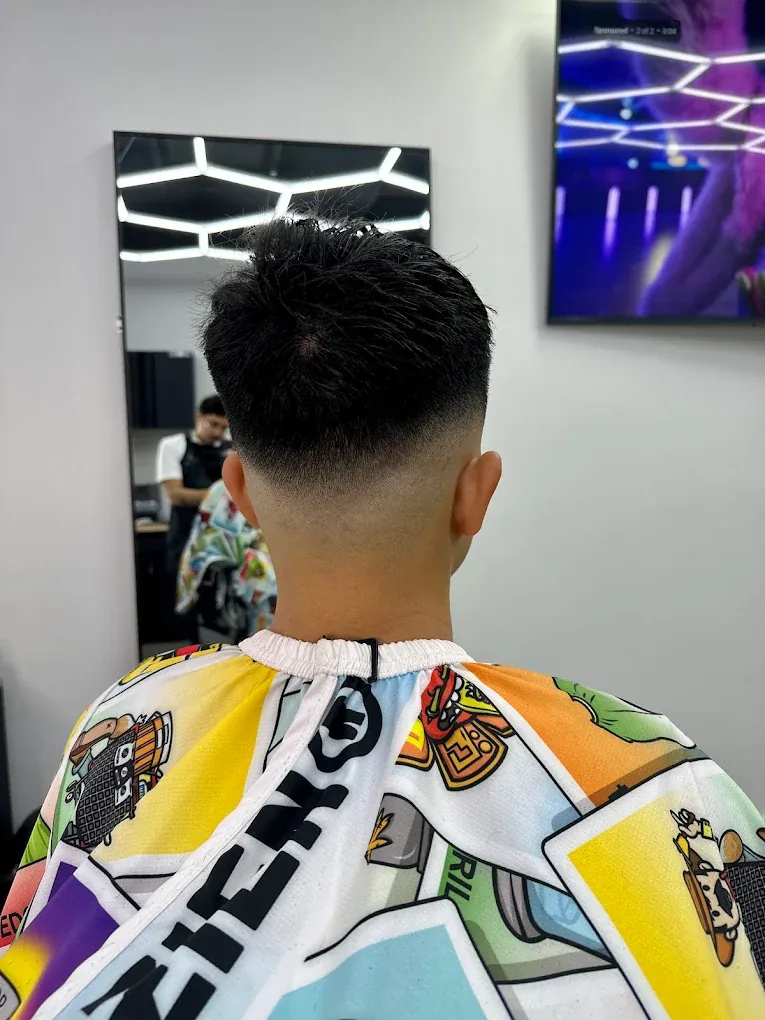
A fade is a gradient. The hair is shortest at the bottom of the sides and back, and gets progressively longer as it climbs toward the top, with no visible line where one length becomes the next. The skill is entirely in the blend — removing the steps between guard lengths so the eye reads a smooth ramp instead of a staircase.
Every fade has three variables:
- The bottom length — bare skin, a zero, a one, or a two.
- The fade line height — where the blend tops out: low (just above the ear), mid (temple level), or high (near the parietal ridge).
- The top length — untouched, scissor-shaped, or textured.
Skin fade and taper fade differ mainly on the first variable, and usually the second.
The skin fade
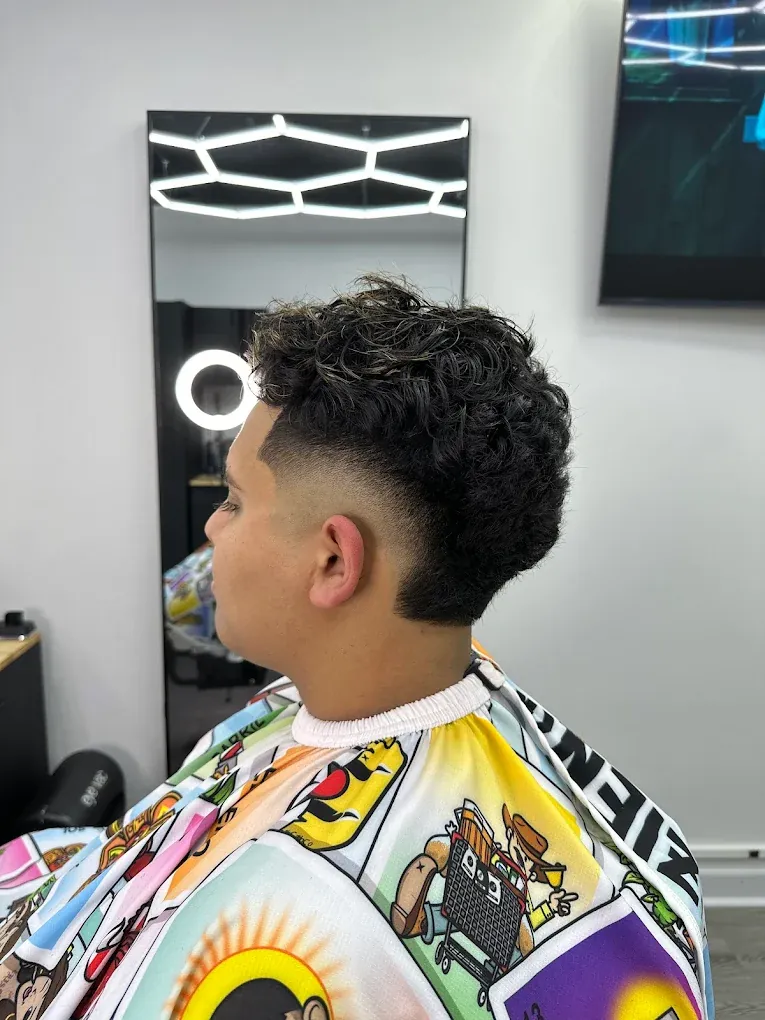
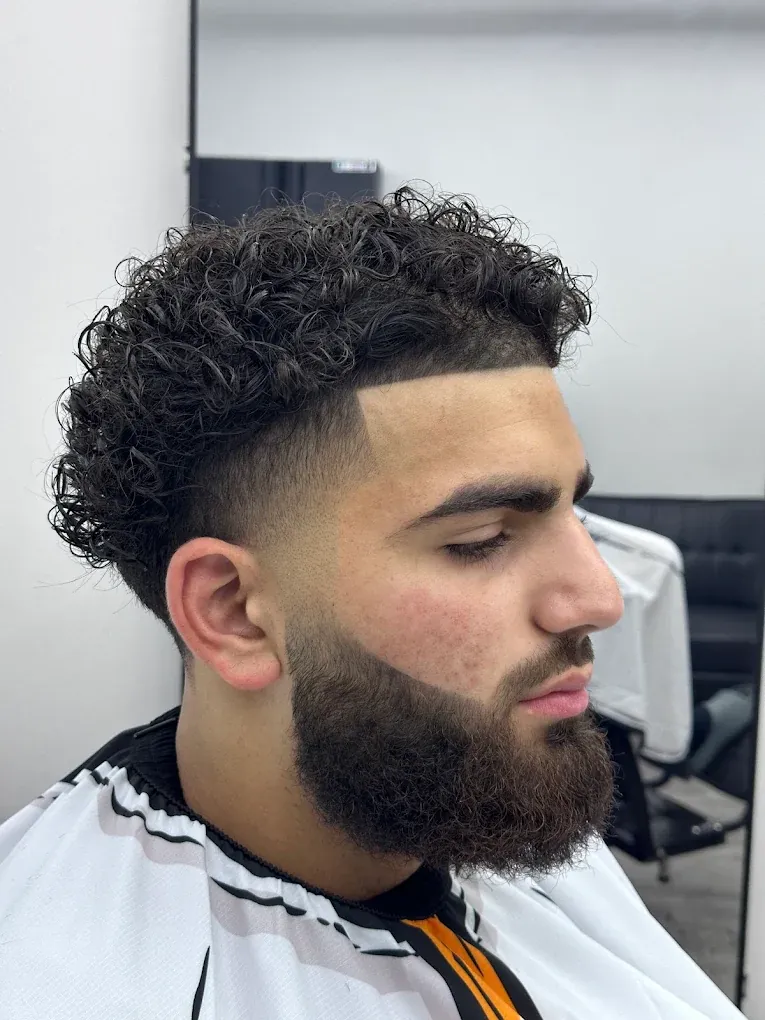
A skin fade (also called a bald fade or zero fade) takes the hair down to bare scalp at the bottom, using a foil shaver or a lever-out clipper with no guard, then blends up through every guard length into the top. From a few feet away the sides look like they dissolve into the skin.
What it gives you: maximum contrast. The top of the haircut looks denser, the jaw looks sharper, and the whole shape reads clean and deliberate. It photographs extremely well, which is why it dominates barbershop feeds.
What it costs you: upkeep. Bare skin grows back visible stubble in three to five days. A skin fade looks its absolute best for about a week and acceptable for two.
Best for: thick or coarse hair that can carry the density up top, defined hairlines, anyone who likes a bold, high-contrast look, and clients who are already in the shop every two weeks.
The taper fade
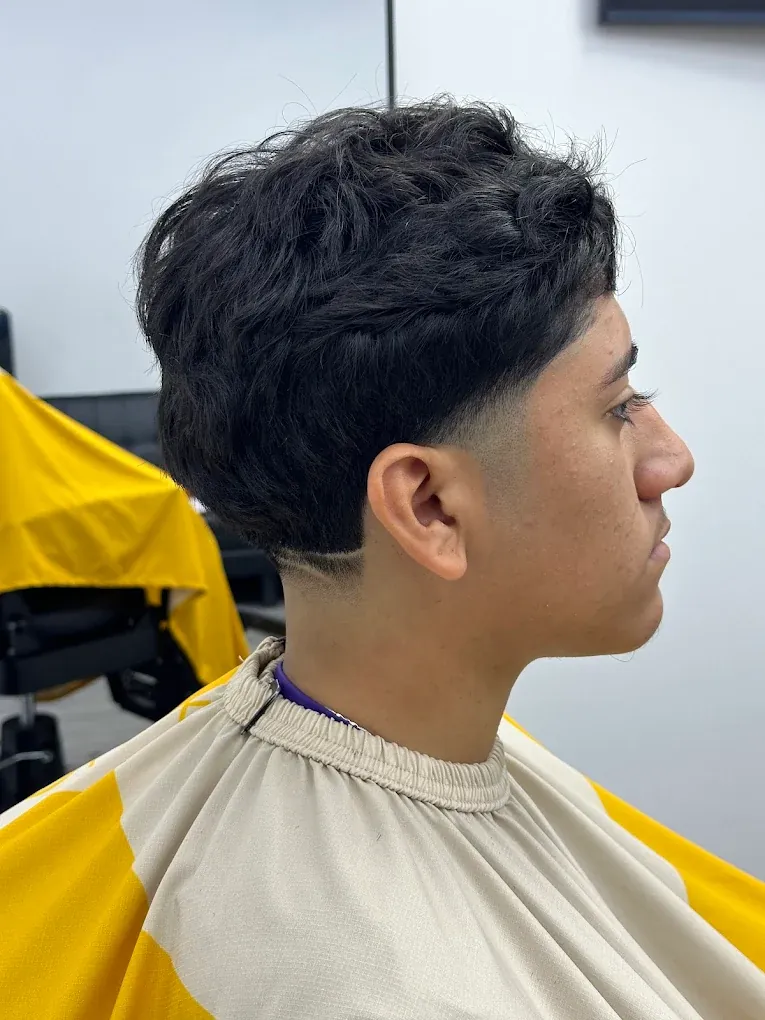
A taper fade never touches skin. The hair shortens gradually toward the hairline — typically around the ears, sideburns and nape — but bottoms out at a guard length, often a zero-and-a-half, one or two. The change is gentle and stays in a narrow band near the perimeter.
What it gives you: a clean, conservative outline that still looks groomed at three or four weeks. It is the cut that works in every office in Livingston Parish and still looks sharp on a Saturday night.
What it costs you: drama. There is far less contrast, so the haircut reads as “well kept” rather than “freshly done.”
Best for: thinning or fine hair (bare skin exposes scalp you would rather keep hidden), scars or uneven scalp tone, professional dress codes, and anyone who wants a four-week gap between visits.
Skin fade vs. taper fade at a glance
- Shortest point: skin fade → bare scalp. Taper fade → a short guard.
- Contrast: skin fade → high. Taper fade → soft.
- Looks fresh for: skin fade → about a week. Taper fade → two to three weeks.
- Recommended visit cycle: skin fade → every 1–2 weeks. Taper fade → every 3–4 weeks.
- Grows out: skin fade → noticeably, with a stubble band. Taper fade → gracefully.
- Best with: skin fade → dense hair. Taper fade → fine, thinning or textured hair.
Low, mid and high: choosing your fade height
Height changes the haircut more than most people expect, and it is where head shape matters.
Low fade
The blend starts just above the ear and follows the hairline around the back. It keeps weight on the sides, which softens a narrow or long face. It is the most forgiving choice and the easiest to grow out.
Mid fade
The blend tops out around the temple. It is the balanced default and suits most head shapes, which is why it is the most requested height in our shop.
High fade
The blend climbs to the parietal ridge, the corner where the side of the head turns into the top. It stretches the face vertically and makes the top section look tall and dense — excellent on round or wide faces, risky on very long or narrow ones.
Both skin fades and taper fades come in all three heights. “Low skin fade” and “high taper” are both perfectly normal orders.
Related cuts people confuse with these two
- Burst fade: a rounded fade that arcs around the ear and leaves length at the nape. Popular with mohawks and mullets.
- Drop fade: the fade line dips down behind the ear instead of running level, following the curve of the head.
- Temp fade (temple fade / Brooklyn fade): the corners at the temples are cleaned with a razor. It is an edge-up detail, not a fade height, and can be added to either cut.
- Blowout / taper cut: a taper on the sides with substantial length left on top.
- Line up (edge up): the crisp razored border along the hairline. It is separate from the fade and can be requested with either.
Matching the fade to your hair type
Coarse and curly: both work beautifully; skin fades show the sharpest contrast against dense curls. Ask for a sponge or brush-out finish on top rather than a comb.
Straight and fine: a taper is usually the safer call. Skin can look severe when there is not enough density above it to balance the shave.
Wavy: a mid taper or mid skin fade with the waves left textured on top is the most requested combination we cut.
Thinning at the crown: a low taper avoids drawing a bright band of scalp around a thinning top; keep contrast low and length even.
Upkeep: the part most people underestimate
Choosing between these two cuts is really choosing a maintenance schedule.
- Skin fade: book every 10–14 days. Many clients add a mid-cycle line up to stretch the second week.
- Taper fade: book every 3–4 weeks. It will not look unkempt in week three.
- Between visits: wash with a light shampoo two or three times a week, moisturize the scalp if the shave leaves it dry, and do not attempt to touch up your own neckline — a high, straight home neckline is the fastest way to lose two weeks of a good fade.
In the Louisiana humidity, matte clay or a light cream holds better than a shiny pomade, which slides once you start sweating.
How to ask for it in the chair
Say four things, in this order:
- Skin or guard. “Skin fade” or “taper, no skin.”
- Height. Low, mid or high.
- Top. “Take an inch off and texture it,” or “leave the top, just clean it up.”
- Edges. “Line up sharp” or “keep the hairline natural.”
Example: “Mid skin fade, take about an inch off the top and texture it, sharp line up, natural neckline.” That is a complete order.
Bring a photo if you have one — but bring a photo of someone with hair like yours, not just a haircut you like. And say what you did not like about your last cut. That single sentence is worth more than any reference image.
Still not sure? Ask your barber
If you are torn, start with a taper. It is the lower-risk option, it grows out gracefully, and you can drop to a skin fade at your next appointment once you have seen how the shape sits on your head. Going the other direction — skin fade first, then trying to grow it into a taper — means two awkward weeks.
Our barbers cut both every day and will tell you honestly which one suits your hair, hairline and schedule. Blends Barbershop is at 2570 Florida Blvd Ste B, Denham Springs, LA 70726. Book online and pick the barber you want — walk-ins welcome when the chairs are open.