Scissor Cut vs. Clipper Cut: Which Should You Ask For?
September 28, 2026 · 6 min read · Denham Springs, LA
“Scissors or clippers?” sounds like a choice between two completely different haircuts. In practice, many good cuts use both. The useful question is which parts of your hair you want to keep soft and movable, and which parts you want cut close and clean. Here is how to talk about it before you sit down for a haircut in Denham Springs.
What clippers do best
Clippers cut efficiently to a selected length using a guard or an adjustable blade. They are well suited to close, consistent lengths on the sides and back, short all-over cuts, and the graduated blends that make a fade. A barber may use several guards, a lever and different tools around the edges rather than one guard over the whole head.
That is why “a #2” is not a complete haircut request. A #2 on the sides says nothing about the top, the neckline or how the sides connect to the top. Our clipper guard guide explains the common numbers and what to say instead of guessing.
What scissors do best
Scissors let a barber shape length in smaller sections. They are useful when you want movement on top, longer hair around the ears, a side part that falls naturally or more control over where weight is removed. They can also help adapt a cut to cowlicks and different growth directions. The result is not automatically better or longer-lasting: a skilled clipper cut can be subtle, and a scissor cut can be short.
“Scissor cut” can mean scissors used throughout or simply scissors on top with clippers at the sides. If avoiding clippers matters to you, say so clearly. If you only want to avoid an overly tight look, describe the shape instead of banning a tool.
The combined cut: scissors on top, clippers on the sides
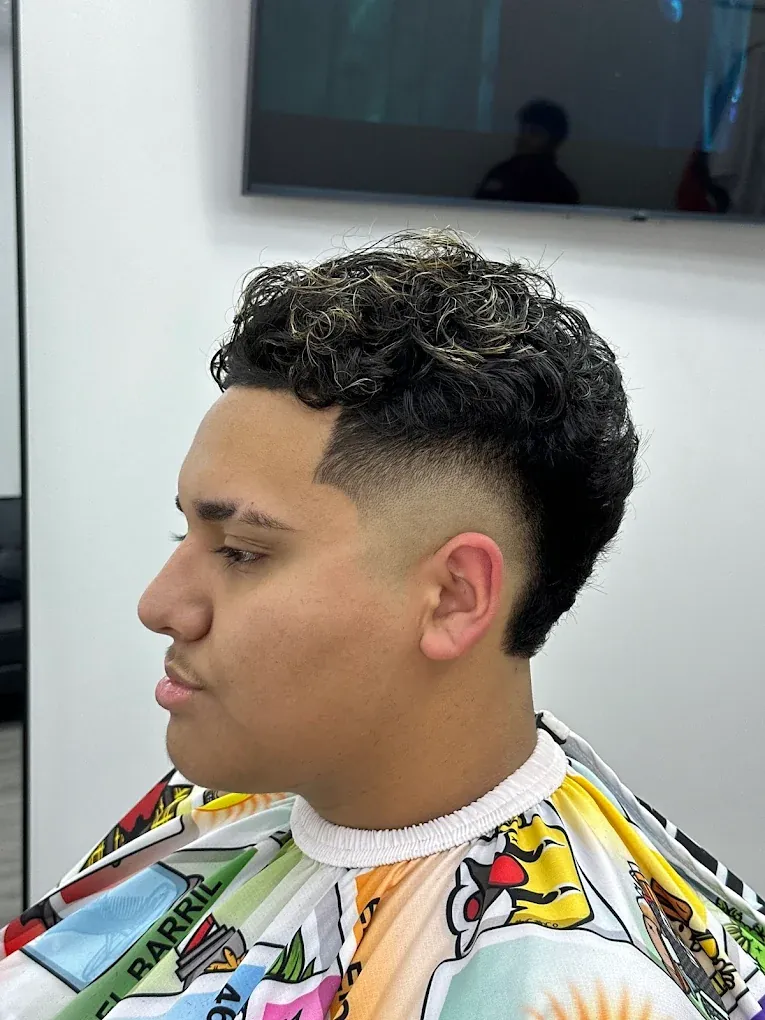
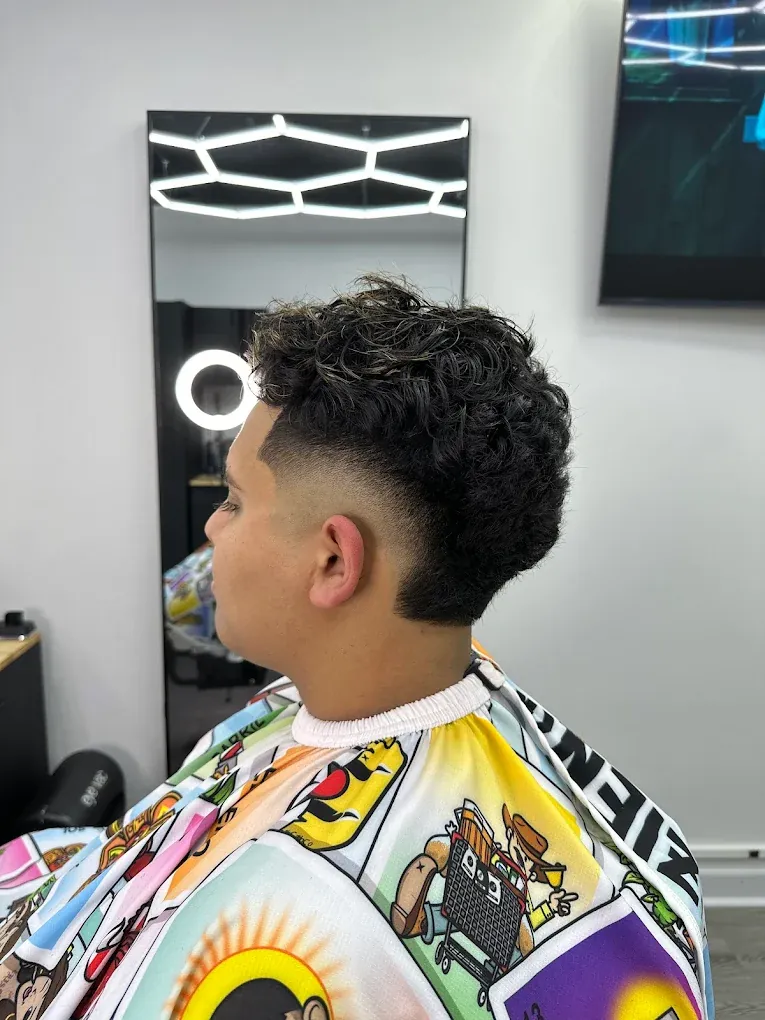
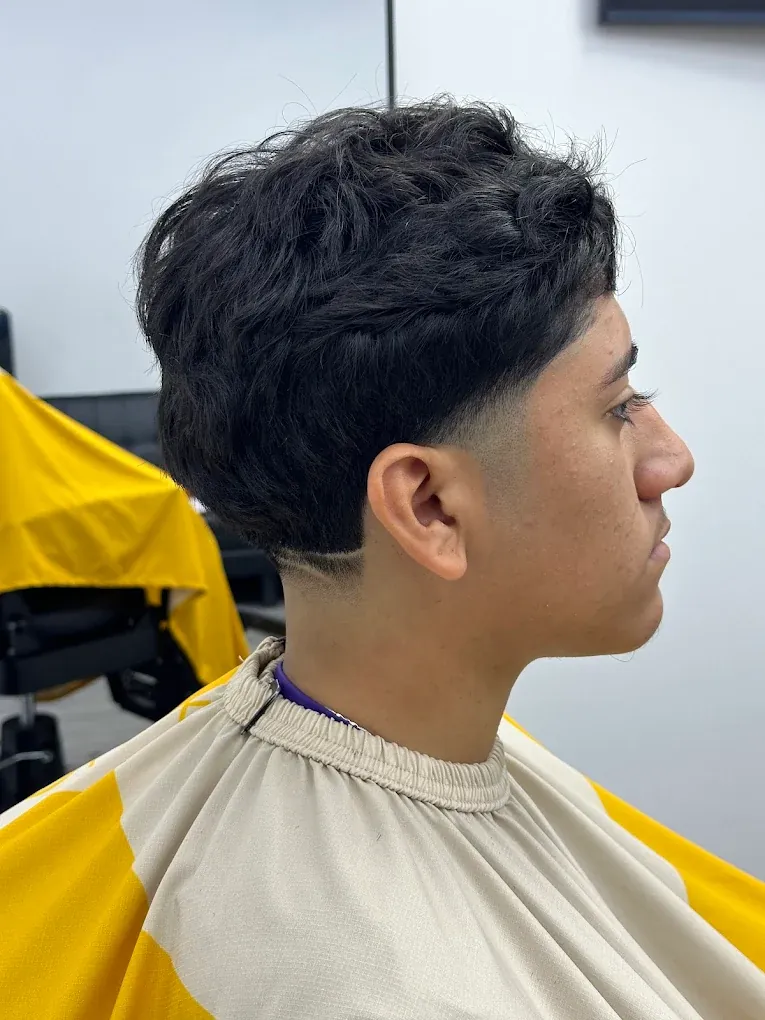
This is a common approach for a reason. Clippers set a tidy perimeter; scissors shape the length above it. The connection between those zones is where the haircut succeeds or fails. Ask whether you want a distinct contrast or a gradual blend. For a clean short-sided style, see our taper fades and skin fades pages; both can be paired with a scissor-shaped top.
Think about the whole head rather than the tool list. A request like “Leave enough on top to part it, keep the sides neat but not to skin, and blend the transition” tells the barber more than “scissor cut” alone.
Which works better for your hair?
Thick hair that gets bulky at the sides
Clippers can reduce bulk around the ears quickly. Scissors on top can control the weight and leave room for the hair to move. If your hair grows outward at the sides, mention that before the fade height is chosen; taking the blend higher is not the only way to manage it.
Fine or thinning hair
The goal is usually a balanced silhouette, not a particular tool. Very close sides can increase the contrast with a sparse top, while leaving too much length on top may make the separation more visible. Ask your barber to show you a practical length and discuss how you style it at home. A haircut changes appearance, not hair growth; sudden or concerning hair loss belongs with a healthcare professional.
Curly or wavy hair
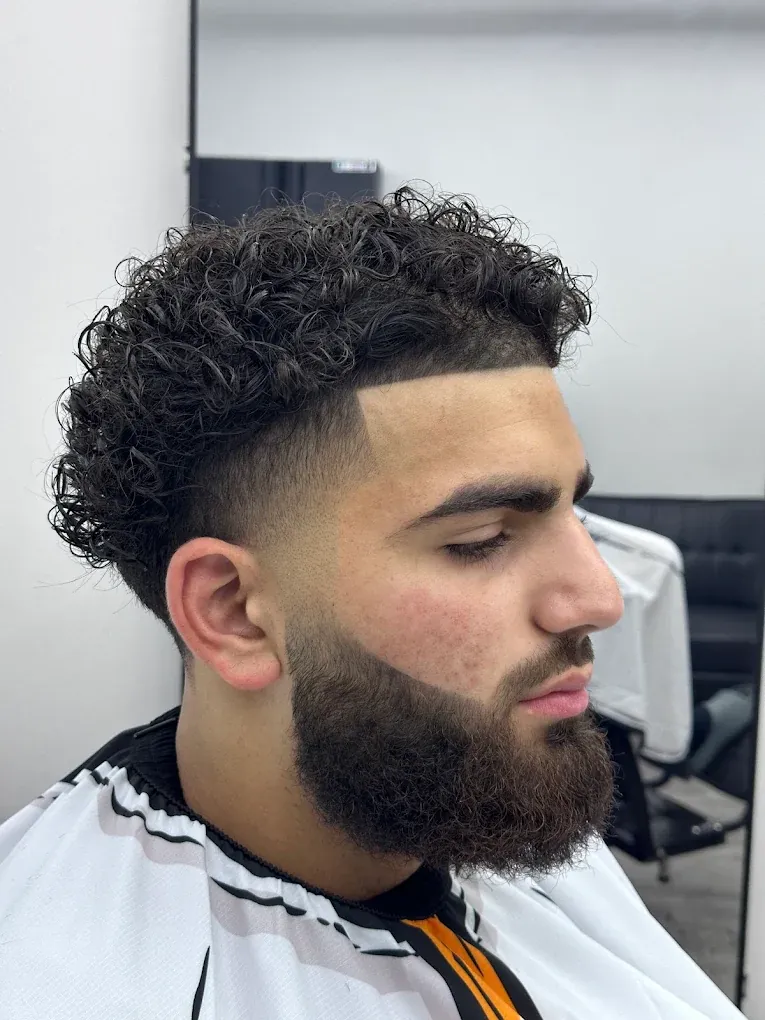
Scissors can preserve and shape the top while clippers clean the sides. But curls can spring up as they dry, so agree on top length conservatively. For ideas on fade height and keeping curls visible, read our curly hair fade guide.
Kids who dislike the sound of clippers
Tell the barber about noise sensitivity before starting. A scissor-first approach may be an option depending on the style and the child's comfort. Our first haircut guide covers more ways to prepare.
How does the cut grow out?
A very short clipper fade makes new growth noticeable sooner because the contrast is stronger. A softer taper or longer scissor-shaped side can keep its overall silhouette as it grows, though hair around the ears and neckline still needs tidying eventually. How long any cut feels fresh depends on your hair growth, the starting length and your tolerance for a less-defined edge. We break down the variables in how often to get a haircut.
What to say in the chair
- Describe the top: “I want to keep enough length to sweep it back,” or “I want a short, textured top that I can leave alone.”
- Describe the sides: “Tidy, but not shaved to skin,” or “A low fade that blends into the top.”
- Describe the finish: “Natural neckline” or “Clean lineup, but follow my existing hairline.”
- Explain your routine: “I style it each morning,” or “I want it to look good with very little product.”
If you have a photo, show the front and sides if possible. The barber can tell you which parts match your hair and which may need adjusting. Photos are a starting point for a conversation, not a guarantee that every head of hair will fall the same way.
Common questions
Do scissors damage hair less than clippers?
For a normal haircut with well-maintained tools, the better choice is the one that creates the shape you want. Avoid assuming one method is universally healthier; comfort and hair or scalp concerns are worth mentioning to your barber.
Can I get a fade with scissors?
A barber can blend with scissor-over-comb techniques, but very close skin fades generally require clippers and finishing tools. Say how close you want the shortest area rather than insisting on a specific technique.
Is a clipper cut always shorter?
No. Guards vary, and a barber can use clippers on longer sections too. Likewise, scissors can produce a short cut. The visible result comes down to the lengths and shape you agree on.
At Blends Barbershop, 2570 Florida Blvd Ste B in Denham Springs, LA, you can bring a photo or just explain your routine. We can talk through the length, blend and finish before the first pass. Explore our haircut services or book with the shop.